How to Predict Dodgers 2026 Pitching Roster
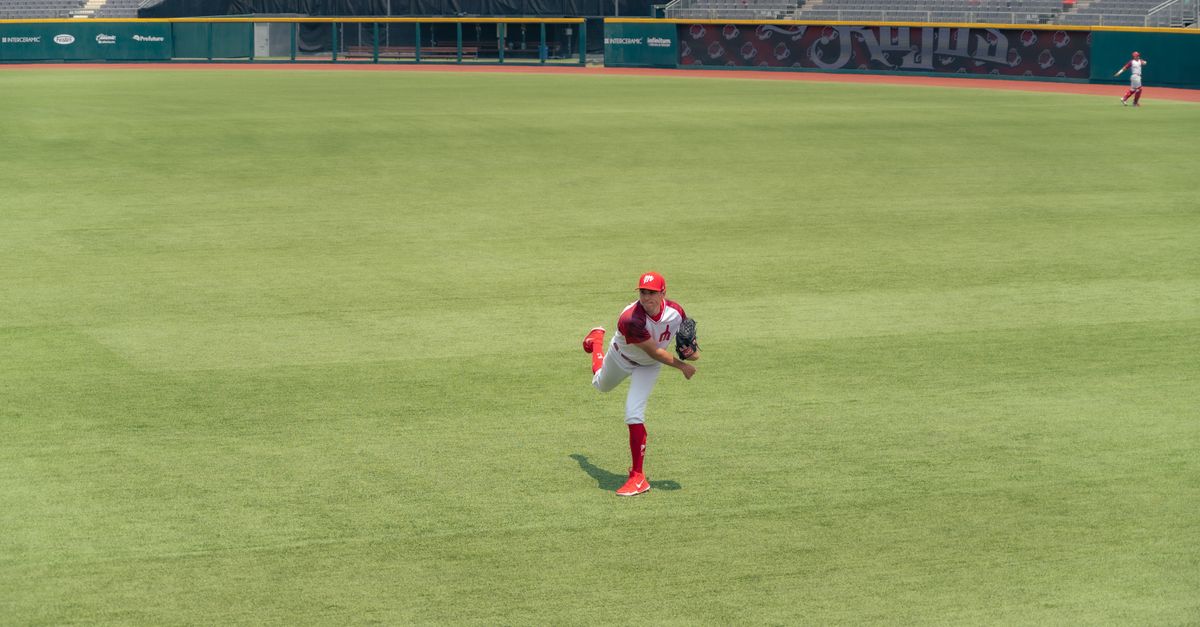
Figuring out the Los Angeles Dodgers' future starting five—or six—is never as simple as looking at a standard depth chart. If you want to know how to predict Dodgers 2026 rotation personnel with any degree of accuracy, you have to look beyond baseline stats and study Andrew Friedman's organizational playbook. To get the projection right, you need to triangulate four distinct factors: guaranteed long-term payroll commitments, Tommy John recovery curves, Triple-A option years, and the front office's demonstrated preference for a fluid, high-rest rotation. Looking ahead to the 2026 Major League Baseball season, Los Angeles will have locked-in megastars at the top, a wave of internal arms hitting their prime, and inevitable gaps filled by opportunistic veteran signings. Here is the exact methodology you can use to map out what the mound at Chavez Ravine will look like in 2026.
Lock in the Contractual Anchors First
The foundation of any multi-year pitching forecast begins with payroll obligations. When breaking down how to predict Dodgers 2026 rotation dynamics, start by separating guaranteed money from expiring deals.
By 2026, the Dodgers will still have massive, unmovable capital invested in the top half of their staff. Yoshinobu Yamamoto will be in year three of his 12-year pact, firmly entrenched as an ace entering his age-27 season. Tyler Glasnow's extension keeps him anchored in Los Angeles through 2027. Shohei Ohtani will have fully resumed two-way duties by 2026, occupying a regular spot on the mound whenever rest schedules allow.
These three arms alone account for well over half of the regular starting assignments. When building your model, mark Yamamoto, Glasnow, and Ohtani as non-negotiable locks, barring catastrophic injury. From there, your projection only needs to account for the remaining two or three spots in the rotation.
Track the Internal Pipeline and Option-Year Clocks
The modern Dodgers rarely buy starting pitching depth at retail price on the open market; they grow it, audition it, and shuffle it between Los Angeles and Oklahoma City. Therefore, a vital step in how to predict Dodgers 2026 rotation depth is auditing minor league option clocks and service time.
Young pitchers like River Ryan, Justin Wrobleski, Landon Knack, and Jackson Ferris will be reaching critical developmental crossroads by 2026. Pitchers who made their debuts between 2024 and 2025 will either be out of minor league options or firmly knocking on the door of the big-league roster.
Pay close attention to who is building innings right now in Double-A and Triple-A. The Dodgers use rookie arms to eat regular-season innings before transitioning them to bullpen roles or high-leverage rotation spots. When forecasting 2026, project at least two spots going to pre-arbitration or early-arbitration home-grown arms who have survived the organization's durability tests.
Factor in the Dodgers' Structural Six-Man Strategy
Traditional baseball analysts still build five-man rotations, but doing that with Los Angeles will break your model immediately. The presence of Ohtani necessitates a six-man rotation or an aggressive 'piggyback' schedule with intermittent spot starters to afford him five or six days of rest between starts.
This tactical quirk shows why learning how to predict Dodgers 2026 rotation construction requires a flexible mindset. In 2026, the Dodgers will not rely on five workhorses throwing 180 innings each. Instead, expect them to distribute roughly 900 rotation innings across eight to ten different pitchers.
When projecting the roster, account for designated 'swingmen' and bulk relievers who function as the unofficial sixth starter. Arms capable of throwing multi-inning stints—or transitioning between the Oklahoma City shuttle and Dodger Stadium—are just as essential to the 2026 staff as the front-end aces.
Account for Injury Attrition and Rehabilitation Timelines
Predicting pitching health is notoriously difficult, but the Dodgers operate with a known risk tolerance: they actively target elite strikeout arms with past surgical histories. To project the 2026 rotation realistically, you must build injury attrition directly into your forecast.
Historically, any Dodgers pitching staff loses 30% to 50% of its initial projected starters to the injured list at some point during a 162-game campaign. Pitchers recovering from internal brace procedures or second Tommy John surgeries typically operate under strict innings caps in their first full year back, followed by a lighter restriction in year two.
As you evaluate how to predict Dodgers 2026 rotation viability for guys like Dustin May, Tony Gonsolin, or post-surgery prospects, discount their projected regular-season starts to roughly 15 to 20 outings rather than a full 32-start slate. If your projection assumes every starter makes 30 starts, your model is flawed from day one.
Scan the Free Agent Landscape for 'Friedman Specials'
Once you have filled out your locks and your top prospects, you will almost always find one empty spot on the 40-man roster. This is where front-office habits reveal the real secret of how to predict Dodgers 2026 rotation gaps.
Andrew Friedman rarely signs aging mid-tier starters to three- or four-year deals. Instead, the Dodgers target two types of external arms: elite tier-one superstars who warrant record-breaking contracts, or high-upside bounce-back candidates willing to sign short-term 'pillow contracts' with opt-outs (think Noah Syndergaard or James Paxton in previous seasons).
For 2026, assume the front office will not sign a pedestrian starter to block their internal top prospects. If they acquire an outside pitcher for 2026, it will either be an elite international arm making the leap from Nippon Professional Baseball (NPB) or a veteran looking to overhaul his pitch mix under the Dodgers' pitching development staff.
Frequently asked questions
Will Clayton Kershaw be part of the Dodgers 2026 rotation?
It is unlikely. Kershaw operates strictly on year-to-year contracts at this stage of his career, heavily weighing retirement, family priorities, and his physical health. Any projection for 2026 should treat Kershaw as a bonus rather than an expected rotation anchor.
Why does Shohei Ohtani change how we predict the Dodgers' future rotations?
Ohtani has historically pitched best on an extended rest schedule (once a week). Because of this, the Dodgers cannot run a conventional five-man staff without wearing out their staff, forcing them to use a six-man rotation or an active Triple-A shuttle.
Which pitching prospects have the best chance to break into the 2026 rotation?
Arms like River Ryan, Jackson Ferris, and Justin Wrobleski possess the pitch-mix quality and timeline alignment that make them strong candidates to hold regular rotation or swingman roles by 2026.
What is the biggest mistake people make when predicting the Dodgers rotation?
Assuming only five pitchers will handle the workload. Los Angeles regularly utilizes 12 to 14 different starting pitchers across a single 162-game season to manage innings limits and navigate IL stints.