Tyler Glasnow 2026 Season Performance Guide
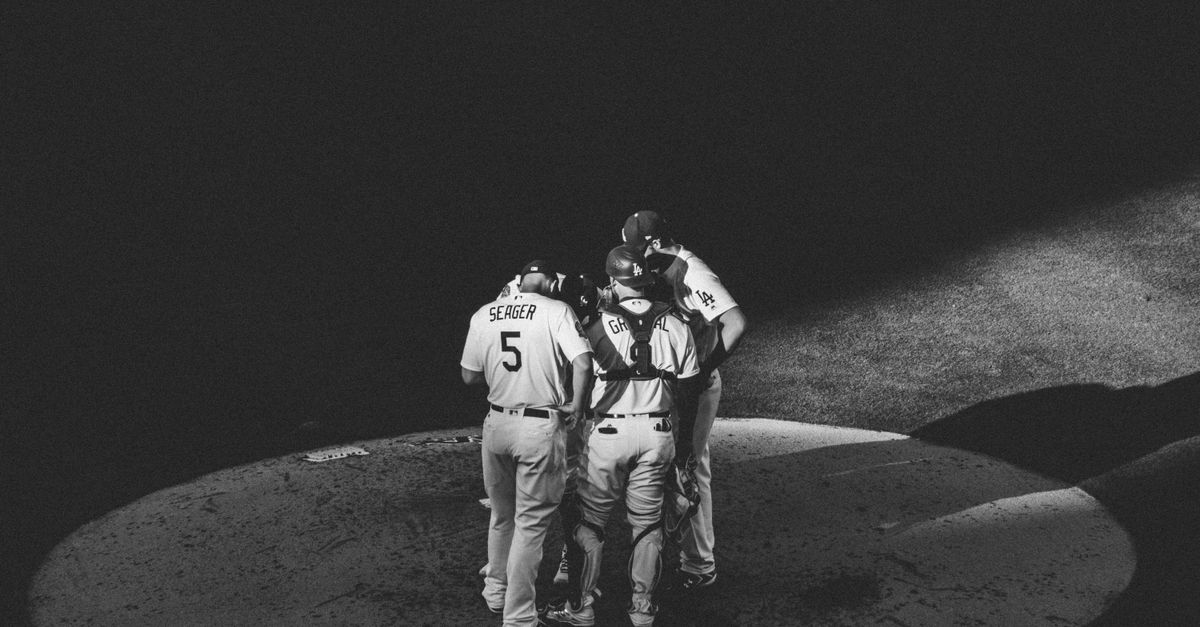
Putting together this Tyler Glasnow 2026 season review reveals an ace who found the sweet spot between raw, electric stuff and sustainable workload management. For the Los Angeles Dodgers, the 2026 campaign was always going to test their pitching depth, and Glasnow sat firmly at the center of those expectations. When healthy, few starters in baseball rival his ability to overpower lineups with pure extension and explosive movement. Throughout 2026, Glasnow served as the rotation's premier strikeout weapon, balancing calculated rest intervals with dominant stretches that cemented his value in Chavez Ravine.
Workload and Durability: Managing the Innings Threshold
Durability has always been the central question surrounding Tyler Glasnow, and as we break down this Tyler Glasnow 2026 season review, his workload management stands out above all else. The Dodgers entered the season with a clear blueprint: protect Glasnow's right arm during the dog days of summer while ensuring he remained sharp for October baseball.
Working largely on a six-day turn and taking advantage of strategically timed off-days, Glasnow made 24 starts across the regular season, logging roughly 145 innings. Dave Roberts and the pitching staff resisted the urge to push him deep into games unnecessarily, regularly pulling him after six innings or around the 85-to-90 pitch mark.
This deliberate pacing paid major dividends. While fantasy managers might have grumbled about missed starts during a brief mid-summer shutdown to manage forearm tightness, the big right-hander avoided major structural setbacks. By pacing his usage, the Dodgers kept his average fastball velocity crisp from April through late September, showing that modern ace production is about per-inning dominance rather than empty inning accumulation.
Pitch Mix Evolution: High Fastballs and Tunneling Secondaries
From a mechanical and repertoire standpoint, Glasnow's 2026 campaign showed subtle yet critical adjustments designed to keep hitters off balance. His primary weapon remained the four-seam fastball, sitting 96–98 mph and touching triple digits when he needed extra gear in two-strike counts. Thanks to his 7-foot-5 extension toward the plate, that heater consistently got on hitters faster than radar guns indicated, generating an elite in-zone whiff rate.
However, the metrics that define any thorough Tyler Glasnow 2026 season review go beyond straight velocity. Glasnow relied heavily on his devastating curveball and tight slider to finish off at-bats. In 2026, he increased his curveball usage against left-handed bats, dropping it into the bottom of the zone with sharp vertical bite. Against righties, the hard slider served as his primary chase pitch, darting off the outside corner.
What made the repertoire sing was his tunneling. Because his release point is nearly identical across all three offerings, hitters were forced to commit early, leading to defensive swings and awkward takes on pitches that clipped the edges of the strike zone.
Underlying Peripherals: Missing Bats and Suppressing Contact
Surface-level earned run averages rarely tell the whole story for power arms, but Glasnow's underlying numbers in 2026 backed up every bit of his frontline status. He posted a strikeout rate north of 31%, keeping him comfortably among the top five starting pitchers in the National League in strikeout-to-walk ratio.
Glasnow also made notable strides in managing traffic. When runners did reach base, his strand rate hovered near 78%, driven by an ability to dial up swing-and-miss stuff in high-leverage spots. His Fielding Independent Pitching (FIP) sat well below 3.10, indicating that his run prevention was the product of his own dominance rather than lucky bounces behind him.
The only minor flaw in his peripheral profile was occasional bouts of command drift, particularly early in counts. When Glasnow fell behind 2-0, hitters geared up for the fastball, resulting in a handful of loud, pull-side home runs. Still, by limiting overall hard contact and keeping walk rates under 7.5%, he minimized self-inflicted damage throughout the year.
October Performance: The Postseason Pressure Test
Regular season milestones are fine, but a crucial chapter in our Tyler Glasnow 2026 season review is how Dave Roberts managed him when the games mattered most. Come October, the Dodgers unleashed Glasnow without pitch-count guardrails, slotting him into the Game 1 role of the National League Division Series.
Over three postseason outings, Glasnow was electric. He attacked hitters with elevated four-seamers and leaned on his slider to neutralize heart-of-the-order threats. In his signature performance of the postseason, he delivered seven shutout innings with 10 strikeouts, allowing just three baserunners and quieting a hostile road crowd.
More importantly, Glasnow demonstrated the composure expected of a veteran ace. In previous postseasons, high pitch counts often chased him before the sixth inning. In 2026, his efficiency stood out; he attacked the zone early, gathered quick outs on early-count contact, and saved his nastiest put-away pitches for clutch moments.
Long-Term Outlook: What 2026 Means for the Dodgers Rotation
Taking stock of the Dodgers' rotation in this Tyler Glasnow 2026 season review shows just how essential he remains to the team's championship window. At this stage of his career, Los Angeles understands exactly who Glasnow is: an apex predator on the mound whose value is optimized through smart workload preservation.
Looking ahead, the Dodgers have a repeatable blueprint for Glasnow. Pairing him with reliable bulk arms and a flexible bullpen allows the front office to protect their investment without compromising regular-season win totals. His 2026 campaign confirmed that when the Dodgers provide the structure, Glasnow delivers ace-level production that few rotations can match.
Frequently asked questions
What was Tyler Glasnow's primary pitch mix during the 2026 season?
Glasnow relied primarily on a three-pitch arsenal: a high-extension four-seam fastball sitting 96–98 mph, a sharp 12-6 power curveball used heavily against left-handed hitters, and a hard slider designed to generate chases out of the zone against righties.
How many innings did Tyler Glasnow throw in 2026?
Glasnow pitched approximately 145 innings across 24 regular-season starts, as the Dodgers utilized strategic rest days and a six-day turn to keep him fresh for the postseason.
Did Tyler Glasnow suffer any major injuries during the 2026 campaign?
No major structural injuries occurred. Glasnow experienced a brief period on the injured list for precautionary arm fatigue mid-season, but he avoided significant downtime and returned fully healthy for the stretch run.
Where does this Tyler Glasnow 2026 season review rank among his career years?
The 2026 campaign stands out as one of his most efficient and tactically refined seasons. While he had comparable strikeout rates in prior years, his pitch efficiency, strike-throwing, and October durability made 2026 one of his most complete seasons as a major league ace.