Shohei Ohtani 2026 Pitching Outlook and Stats
- The 2026 Arsenal: Reconstructed Mechanics and Velocity Expectations
- Projected 2026 Pitching Stats and Efficiency Targets
- Managing the Two-Way Grind: Los Angeles' Six-Man Rotation Blueprint
- Durability and the 31-Year-Old Aging Curve
- The Verdict: What 2026 Means for Ohtani's Legacy on the Dodger Mound
- FAQ
When assessing the shohei ohtani 2026 pitching outlook, baseball analysts and Dodgers fans look at a pivotal year. While 2025 functions as a deliberate re-acclimation phase following his September 2023 right elbow surgery, 2026 represents the season where the training wheels completely come off. Two full years removed from the operating table, Ohtani will step onto the mound at age 31 with zero innings restrictions, a fully rebuilt throwing kinetic chain, and front-line ace expectations in Los Angeles.
Projecting his performance requires balancing his historic pitching ceiling—a sub-3.00 ERA with elite swing-and-miss stuff—against the realities of two major elbow procedures and the everyday physical demands of designated hitting. Here is how Ohtani's pitching profile projects for the 2026 Major League Baseball season.
The 2026 Arsenal: Reconstructed Mechanics and Velocity Expectations
A primary component of the shohei ohtani 2026 pitching outlook is how his pitch mix will evolve after two full seasons of mechanical refinement. Historically, Ohtani has paired an upper-90s four-seamer that touches 101 mph with one of the nastiest sweepers in modern baseball, alongside a devastating splitter and an occasional cutter/curveball.
During his 2021-2023 peak with the Angels, Ohtani leaned heavily on his sweeper, which generated a whiff rate north of 35% and served as his primary strikeout weapon. However, secondary elbow surgeries frequently force pitchers to evaluate pitch design. Evaluators around the league expect Ohtani to rely more heavily on his hybrid split-finger fastball and heavy cutter by 2026 to reduce stress on his ulnar collateral ligament while maintaining elite weak-contact rates.
Velocity-wise, do not expect Ohtani to dial back unless instructed. By 2026, his arm strength should be fully stabilized. Expect his four-seamer to sit comfortably at 97.2 to 98.4 mph, occasionally reaching triple digits in high-leverage situations. His command, which historically takes longer to return than raw velocity post-surgery, should settle back into his career norm of roughly 3.0 to 3.3 walks per nine innings.
Projected 2026 Pitching Stats and Efficiency Targets
Translating health and pitch metrics into production yields an enticing baseline. In a normal, healthy campaign, Ohtani is an automatic Cy Young contender. The Dodgers' defensive positioning, game-calling infrastructure, and elite bullpen backing give him an environment superior to any he had in Anaheim.
Here is a realistic statistical projection for Ohtani on the mound in 2026:
- Games Started: 25 – 27
- Innings Pitched: 145.0 – 160.0
- ERA: 2.95 – 3.25
- FIP: 3.10 – 3.30
- WHIP: 1.05 – 1.12
- Strikeouts (K): 175 – 195
- K/9: 10.8 – 11.2
- BB/9: 3.1
- Opponent Batting Average: .205
These projections assume Los Angeles will intentionally limit him to roughly 5.2 to 6.0 innings per outing. Dave Roberts and the Dodgers front office prioritize run-prevention efficiency over sheer bulk innings. Hitting 160 innings would place Ohtani in the upper tier of starting pitchers in today’s shortened-outing era, while keeping his arm fresh for a deep October postseason run.
Managing the Two-Way Grind: Los Angeles' Six-Man Rotation Blueprint
Any realistic shohei ohtani 2026 pitching outlook must account for the Dodgers' systemic approach to their starting staff. Even before signing Ohtani and Yoshinobu Yamamoto, the Dodgers routinely prioritized extra rest for their starters to curb injury risk and maximize per-inning pitch quality.
In 2026, Los Angeles is almost guaranteed to employ a flexible six-man rotation. This schedule mirrors the cadence Ohtani perfected in Nippon Professional Baseball (NPB) and during his MVP seasons with the Angels, pitching roughly once every six days rather than on standard four days' rest.
Extra rest provides two critical benefits:
- High-Stress Recovery: Pitching every sixth or seventh day allows his elbow tissue and flexor tendon sufficient recovery time, directly dampening chronic inflammation risks.
- Offensive Continuity: Ohtani has proven that hitting between starts is viable, but spacing out pitching outings prevents the physical fatigue that can cause his bat speed to dip during dog-day summer stretches.
With rotational partners like Yoshinobu Yamamoto, Tyler Glasnow, and emerging homegrown arms, the Dodgers have built a pitching staff designed specifically to support this schedule without burning out the bullpen.
Durability and the 31-Year-Old Aging Curve
Age 31 is traditionally the inflection point where power pitchers either solidify their legacy or begin transitioning into craftier pitch profiles. For Ohtani, 2026 will be a test of how his exceptional athleticism withstands the wear-and-tear of two major arm interventions.
Unlike traditional pitchers, Ohtani does not get to spend off-days lounging in the dugout or running light poles in the outfield. He generates massive rotational torque on nearly every swing at the plate, which recruits the same core, shoulder, and lat muscles required for his throwing delivery.
However, sports medicine advancements regarding the internal brace procedure suggest greater ligament stability than historical revision Tommy John surgeries. Furthermore, Ohtani's elite conditioning, baseline flexibility, and detailed recovery routines are legendary among teammates and coaches. Scouts project that even if he sheds 0.8 mph on his fastball between ages 31 and 33, his pitch shape and deceptive arm slot will keep him comfortably in the top 10% of MLB starters in swinging-strike rate.
The Verdict: What 2026 Means for Ohtani's Legacy on the Dodger Mound
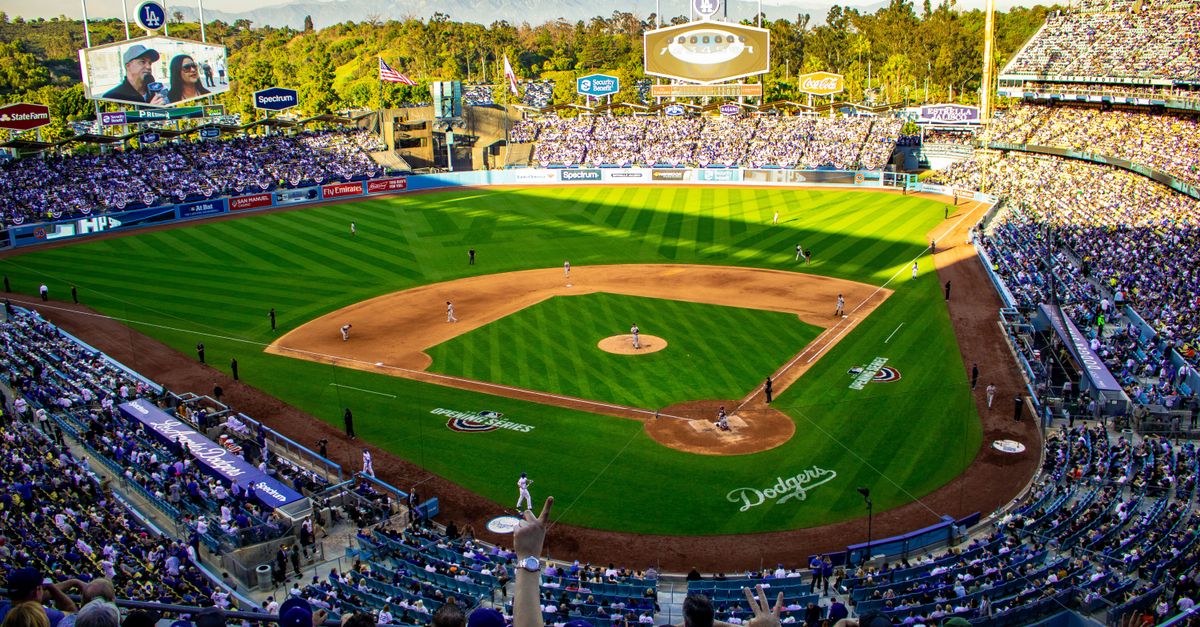
The collective shohei ohtani 2026 pitching outlook points to an elite starter operating at full throttle inside a system built to sustain him. While 2024 proved his generational value as a pure hitter and 2025 serves as the transitional bridge, 2026 is when Dodger Stadium gets the uninhibited, two-way masterclass on a weekly basis.
Barring freak soft-tissue setbacks, Ohtani will anchor the rotation alongside Yamamoto, giving Los Angeles a one-two punch unmatched in sheer talent. Expect him to contend for an ERA title, punch out nearly 11 batters per nine innings, and cement his status as the single most unique weapon in baseball history.
Frequently asked questions
Will Shohei Ohtani pitch on standard 5-day rest in 2026?
No, the Dodgers are expected to use a six-man rotation or built-in off-days. Ohtani has historically performed at his absolute best when pitching on five or six days of rest, and the Dodgers will maintain this schedule to maximize his longevity.
What are realistic strikeout numbers for Ohtani in 2026?
Projections put Ohtani between 175 and 195 strikeouts across 145 to 160 innings. His strikeout-per-nine rate (K/9) is projected to stay comfortably above 10.5 thanks to his elite splitter and sweeper.
Can Ohtani still throw 100 mph after his second major elbow surgery?
Yes. Early throwing metrics and biomechanical assessments indicate his arm speed remains intact. While he may preserve his top velocity for high-stress innings, hitting 100 mph remains fully within his physical capability.
How will pitching in 2026 affect his batting numbers at DH?
While 2024 allowed him to focus 100% on baserunning and hitting (resulting in a historic 50/50 campaign), his 2021-2023 seasons proved he can hit 40+ home runs while starting on the mound. Expect a slight reduction in stolen base attempts to conserve energy, but his slugging and on-base metrics should remain elite.